
Key Takeaways
- Most household items – furniture, appliances, electronics, yard waste, and construction debris – can be hauled away by a professional junk removal service.
- Certain items are legally prohibited from standard junk removal, including hazardous chemicals, batteries, fluorescent bulbs, asbestos, and tires.
- Electronics (e-waste) are accepted by many junk removal companies, but they get routed to specialized recyclers rather than the landfill – an important distinction.
- Responsible junk removal companies divert a significant portion of every haul away from landfills through recycling and donation, so “junk removal” does not always mean “sent to the dump.”
Clearing out a home, garage, or renovation site raises one practical question almost immediately: what will they actually take? The answer covers more ground than most people expect – but it does have real limits. Understanding both sides of that line saves time, avoids surprise fees, and keeps disposal legal and safe.
Most Junk – But Not All – Can Be Hauled Away
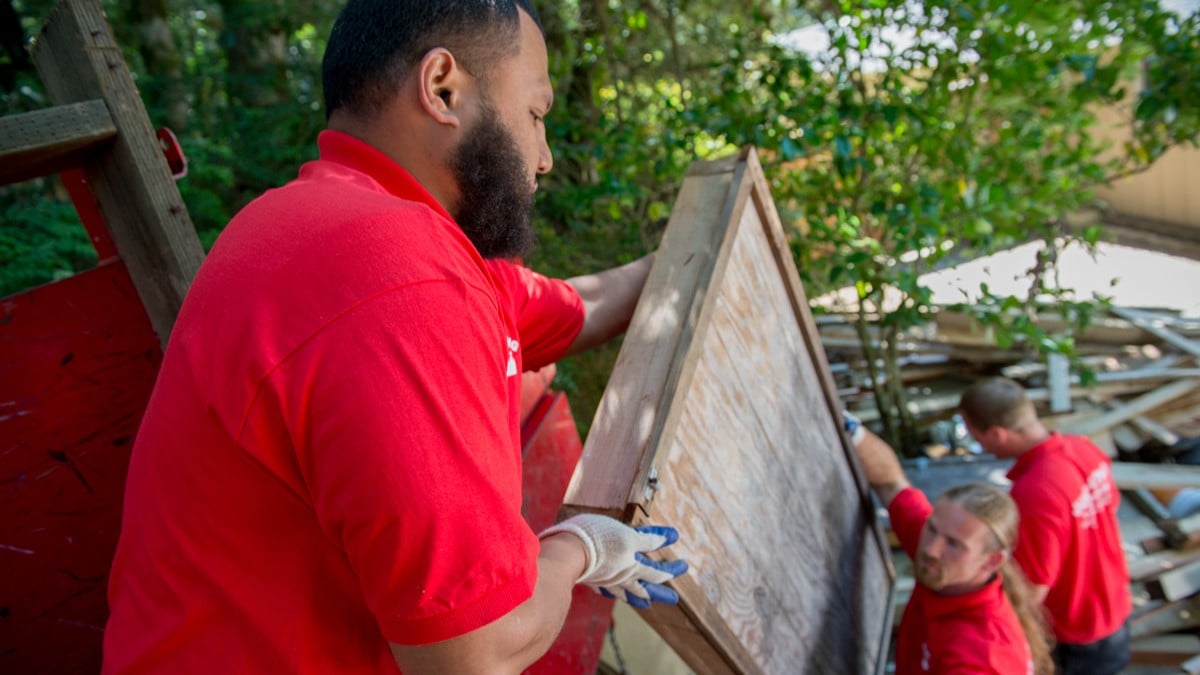
Professional junk removal is designed to handle the bulky, awkward, heavy items that won’t fit in a recycling bin or weekly trash pickup. Old sofas, broken appliances, piles of renovation rubble – companies like Junk King San Francisco are built specifically for these loads, handling everything from single-item pickups to full property cleanouts.
The key distinction is hazardous vs. non-hazardous. Non-hazardous items – even large, heavy, or unwieldy ones – can almost always be collected. Hazardous materials, however, fall under strict federal, state, and local regulations that prevent them from being mixed with general waste. In California, disposing of many common household chemicals in the garbage or through standard waste streams is actually illegal. That legal reality shapes what any legitimate junk removal service can and cannot accept.
Items Junk Removal Services Typically Accept
The list of acceptable items is broad. Here is a category-by-category breakdown of what typically qualifies.
Furniture and Mattresses
Furniture is the bread and butter of junk removal. Couches, sofas, sofa beds, armchairs, dining tables, bookcases, desks, file cabinets, and bed frames are all fair game. Mattresses are accepted as well – and worth noting, between 80% and 90% of a mattress is made from recyclable materials (steel springs, foam, fabric), so a good hauler will route them to a proper recycling facility rather than a landfill.
Appliances, Large and Small
Refrigerators, washing machines, dryers, dishwashers, ovens, stoves, microwaves, water heaters, air conditioners, and lawnmowers all fall within the standard scope of junk removal. These items often contain recyclable metals and components, so proper disposal matters. One thing to confirm ahead of time: whether refrigerants or compressors require any special handling fee, as most junk removal companies charge a small surcharge for appliances containing refrigerant gases.
Electronics (E-Waste): Accepted, but Routed to Specialized Recyclers
Electronics occupy a unique middle ground. They are accepted – computers, monitors, televisions, printers, smartphones, tablets, gaming consoles, shredders, and copy machines are all commonly collected. They cannot go to a standard landfill, though, because they contain toxic materials including lead, mercury, and cadmium.
In California, most e-waste is classified as Universal Waste Electronic Devices (UWEDs), which is a subcategory of hazardous waste. E-waste disposal is governed by strict regulations, and responsible junk removal services account for this by routing collected electronics to certified recycling facilities. Many junk removal services also route functional items to local charities as part of their eco-friendly practices. The item gets picked up like anything else – the difference is where it ends up afterward.
Yard Waste and Outdoor Items
Branches, leaves, grass clippings, sod, soil, stumps, and general landscaping debris are all standard pickups. Beyond organic yard waste, outdoor items like old lawn furniture, fencing, firewood, lumber, grills, smokers, and garden fixtures are also typically accepted. Hot tubs – a notoriously difficult item to self-remove – fall into this category too, with professional crews breaking them down on-site before hauling.
Construction and Renovation Debris
Remodeling projects generate a surprising volume of material quickly. Scrap wood, plasterboard (drywall), flooring, tile, old fixtures, and general demolition rubble are all within scope for junk removal. The important caveat here is asbestos – covered in the prohibited section below – because older building materials can contain it, and that changes everything about how they need to be handled.
Prohibited Items: What Cannot Be Collected
Every item on the prohibited list is restricted because of a documented risk to human health, worker safety, or the environment. In most cases, specific legal disposal channels exist precisely for them.
Hazardous Household Chemicals and Paints
Oil-based paints, wet latex paint, paint thinners, solvents, pesticides, herbicides, pool chemicals, acids, and reactive or explosive materials are all classified as hazardous waste under California law. Dried latex paint, however, is often accepted as regular trash. According to CalRecycle, disposing of hazardous items in the garbage, down storm drains, or on the ground is illegal. They must go to a local household hazardous waste (HHW) facility. Most California counties offer periodic HHW collection events at no cost to residents.
Batteries and Fluorescent Bulbs
All battery types – AAA, AA, C, D, 9-volt, button cell, rechargeable, and lead-acid car batteries – are banned from standard trash disposal. Beyond environmental contamination, batteries are a documented fire hazard at sorting and recycling facilities, capable of igniting during compaction. Fluorescent lamps, tubes, metal halide lamps, and sodium vapor lamps contain mercury and are classified as hazardous waste. While mercury-containing fluorescent and HID lamps are classified as hazardous waste, some LED lights may also contain components that require special recycling. Check local guidelines for proper LED disposal. Designated battery and bulb drop-off programs handle both categories.
Asbestos and Chemically Treated Wood
Asbestos-containing materials – which can be found in older insulation, roofing, floor tiles, siding, and cement – require licensed abatement professionals and specialized disposal. This is non-negotiable. Wood treated with chemical preservatives (to resist insects or fungal decay) is classified as hazardous waste in California and must be managed through designated treated wood waste programs, not standard junk removal.
Tires and Automobile Fluids
Tires are banned from landfills in California – not because they are chemically hazardous, but because they create serious mosquito breeding environments and present significant fire risk when stockpiled. Motor oil and oil filters are also prohibited from regular trash. Both have dedicated recycling infrastructure: tire retailers and auto shops are common drop-off points, and many service stations accept used motor oil at no charge.
Why Hazardous Items Require Special Disposal
The common thread across every prohibited category is downstream harm – what happens after the item leaves a home. Chemicals leach into groundwater. Mercury from bulbs contaminates soil. Batteries ignite in compressed trash. Asbestos fibers, when disturbed without proper containment, can cause serious lung disease. General waste handling infrastructure – trucks, transfer stations, landfills – is not equipped to manage these risks safely. Specialized disposal channels are purpose-built to contain and neutralize them.
For San Francisco residents, the SF Hazardous Waste Program and CalRecycle’s local HHW network offer accessible drop-off options for these items. A quick search through CalRecycle’s facility locator will point to the nearest facility by zip code.
How Responsible Junk Removal Services Handle What They Do Take
Recycling, Donation, and Landfill Diversion
An important and meaningful benefit of professional junk removal – beyond the convenience – is what happens to items after pickup. Reputable operations actively sort loads to divert reusable and recyclable material away from landfills. Junk King San Francisco, for example, targets diverting up to 60% of every haul through recycling and donation to local charities. Furniture in good condition gets routed to donation centers. Metals go to recyclers. Mattresses get broken down for material recovery. Scheduling a junk removal pickup is often the more environmentally responsible option compared to curbside bulk trash, which typically goes straight to the landfill with no sorting.
Not Sure About an Item? Ask Before You Book
Gray areas exist. An old can of paint thinner left in the garage, a propane tank from a retired grill, a pile of wood that might be treated – these are the kinds of items where a quick call or photo text to a junk removal company before booking will save a lot of back-and-forth on pickup day. Most companies offer free estimates and can advise on whether a specific item qualifies, whether it requires special handling, or where it should go if they cannot take it.
The guiding principle: when in doubt, describe the item and ask. A legitimate junk removal service will give a straight answer rather than loading something they cannot legally transport.
Junk King San Francisco
+1 (415) 852-3303
1615 Polk St Unit 6
San Francisco
CA
94109
United States


