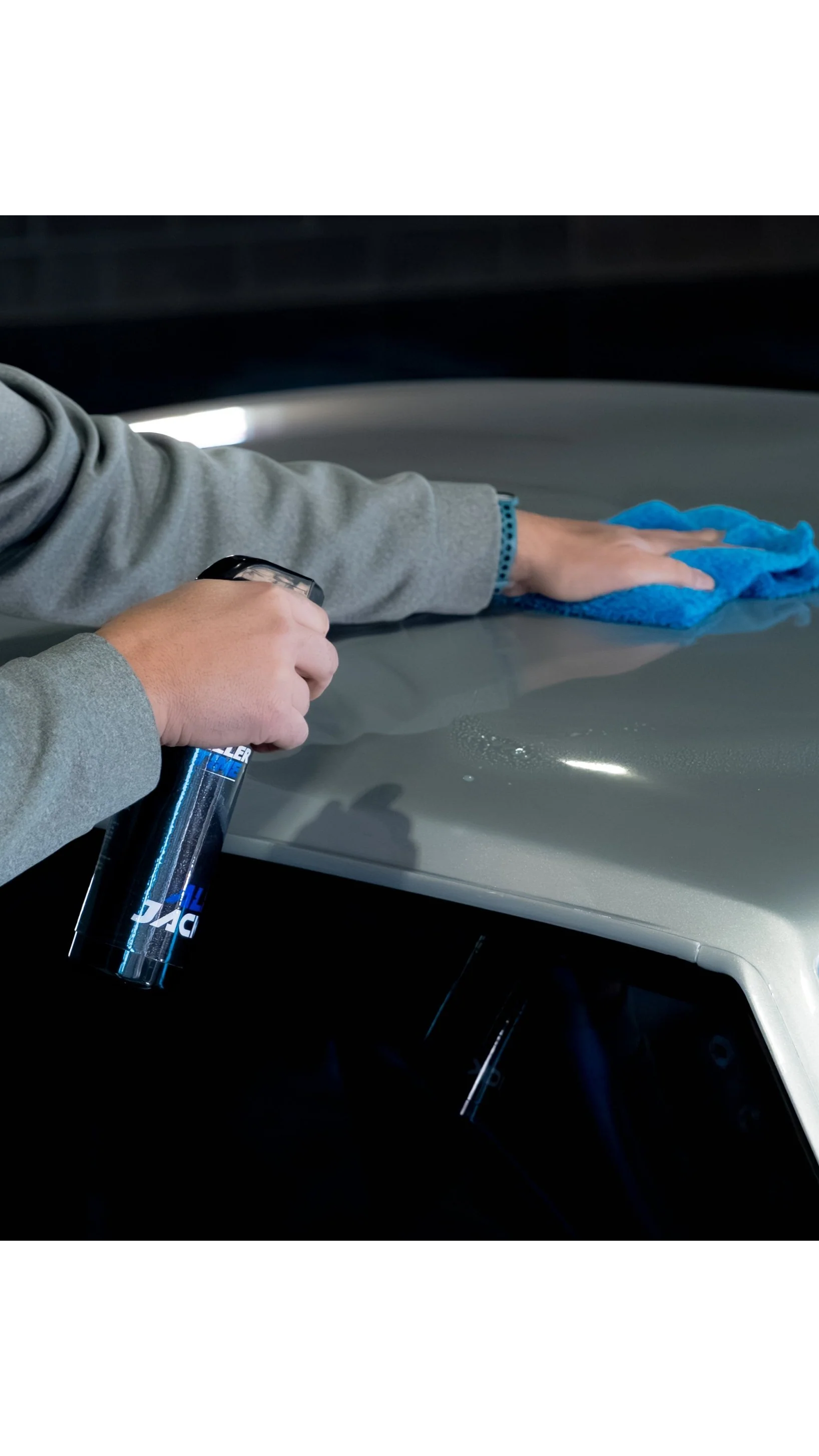
Key Takeaways
- Car paint protection sprays – especially ceramic, graphene, and silica formulas – do far more than add shine; they create a durable barrier that repels water, blocks UV rays, and makes washing easier.
- Protection longevity varies widely: spray coatings last 3-12 months, while professional-grade ceramic coatings can hold up for 2-10+ years depending on prep and maintenance habits.
- Surface preparation before application is one of the biggest factors in how long any coating lasts – skipping it is the most common reason coatings fail early.
- Properly protected paint can boost a vehicle’s resale value by preserving its appearance over years of daily driving – keep reading to see how the numbers stack up across different protection types.
Most drivers treat a freshly waxed car like a win. And it looks like one. But within a few weeks – sometimes after a single rainstorm – that gloss is gone and the paint is right back where it started. The problem is not the shine. The problem is mistaking shine for protection.
Shine Fades. Real Protection Doesn’t.
A high-gloss finish can come from temporary shine products that fade in days or weeks. Real paint protection is a chemical or physical barrier that shields the clear coat from UV radiation, chemical etching, and environmental contaminants – whether the car looks freshly detailed or not.
The clearest way to tell if a product is actually protecting paint? Watch how water behaves on the surface. When water beads up tight and rolls off quickly, the coating is working. When it flattens and sits, protection has degraded. That is the real test – not how glossy a panel looks under a showroom light. Willer Time puts it plainly: chase surface health, not hype. The shine will follow.
What Car Paint Protection Sprays Actually Do
Car paint protection sprays are liquid sealants – usually built on ceramic, graphene, or silica chemistry – that bond with a vehicle’s clear coat to create a thin, durable layer on top of the factory finish. They repel water, resist contamination, and reduce how much dirt actually sticks to the surface between washes.
They are not a replacement for paint protection film (PPF), which physically absorbs rock chips and road debris. But for the vast majority of daily driving threats – UV exposure, bird droppings, brake dust, road grime – a good spray coating handles the job well.
Ceramic, Graphene, and Silica: What Sets Them Apart
Each formula has its strengths:
- Ceramic (silicon dioxide / SiO2): Forms a covalent bond with the clear coat, creating a layer that adds hardness and scratch resistance to the factory finish. Excellent chemical resistance and hydrophobicity. Spray versions typically last 3-6 months; professional-grade applications can last 2-10+ years.
- Graphene: A newer formula built on carbon-lattice technology. The standout advantage is heat dissipation – graphene coatings run cooler than ceramic, which directly reduces water spot formation in hot climates. Durability often reaches 5 years or more.
- Silica-based sealants: These offer a balance between traditional waxes and more durable ceramic coatings in terms of longevity. High-quality silica sprays can deliver up to 12 months of protection from a single application, resisting UV rays, chemical fallout, and environmental contamination while producing a slick, high-gloss finish.
The Hydrophobic Effect Explained
Hydrophobicity is the functional core of all three formulas. When a coating creates a hydrophobic surface, water forms tight beads and rolls off – carrying dust, pollen, and loose grime with it. This self-cleaning effect is not a marketing term. It is a measurable surface behavior that reduces how much contamination bonds to the paint between washes, which means less friction during cleaning and less cumulative damage to the clear coat over time.
How Long Does Protection Really Last?
Longevity is where the real differences between products emerge – and where most buyers get tripped up by optimistic label claims.
Spray Coatings vs. Professional-Grade Applications
Consumer spray coatings are engineered for ease of use. Manufacturers dilute the active ingredients so the product spreads easily and forgives imperfect application. That convenience comes at a cost: the protective layer is thinner and degrades faster. Most spray ceramics fall in the 3-6 month range. High-quality silica sprays can push toward 12 months.
Professional formulations are a different category entirely. They contain far higher concentrations of active ingredients and require controlled application conditions – including machine polishing to remove existing swirl marks before the coating goes on. The payoff is durability that ranges from 2 years on the low end to well over 10 years with the right product and consistent upkeep.
Wax, Sealant, Ceramic, PPF: A Lifespan Comparison
- Carnauba wax: 1-3 months. Looks beautiful, strips easily with standard detergents, and offers less heat resistance compared to synthetic sealants or coatings.
- Synthetic sealant: 4-6 months. Better chemical resistance than wax, bonds more tightly to the clear coat.
- Ceramic coating: 1-5 years (spray) up to 10+ years (professional). Strong hydrophobicity, UV defense, and durability.
- Paint protection film (PPF): 5-10 years. The only option that physically absorbs kinetic impacts like stone chips. Often used in combination with ceramic coatings for full-surface protection.
Three Benefits That Outlast the Gloss
Water Repellency and Self-Cleaning
A hydrophobic coating’s most practical daily benefit is how it behaves when it rains. Water that beads and rolls off takes suspended dirt, road grime, and brake dust with it. The result is a surface that stays cleaner between washes and requires less scrubbing when wash day arrives. Less scrubbing means less micro-abrasion on the clear coat, which compounds over time into genuinely preserved paint.
UV and Heat Defense
UV radiation is one of the most destructive forces a vehicle’s exterior faces. It breaks down the molecular bonds inside the clear coat, generating oxidation reactions that progressively dull and fade paint – especially on dark-colored vehicles. Both ceramic coatings and PPF are effective at blocking UV penetration and preventing the oxidation and discoloration that comes with long-term sun exposure. Graphene formulas add heat dissipation to the equation, actively reducing the surface temperature spike that causes water spots to bake onto paint in direct sunlight.
Easier Washes, Less Damage Over Time
Every wash introduces friction. Abrasive dirt dragged across an unprotected or degraded clear coat creates micro-scratches that scatter light and produce the hazy, swirled look on older vehicles. A properly maintained coating creates a slick surface that releases contaminants before they become abrasives. Wash damage accumulates slowly – but so does the benefit of keeping a coating in good condition.
Prep and Maintenance Determine Longevity
Surface Prep Before Application
This is the step most people skip – and the most common reason coatings fail faster than advertised. Thorough surface preparation, including a proper wash followed by clay bar decontamination, removes bonded contaminants that prevent coatings from adhering correctly. Applying a ceramic spray over a surface with embedded iron deposits or old wax residue is like painting over rust. The coating sits on top of contamination rather than bonding to the clear coat, and it degrades much faster as a result.
For professional applications, preparation goes further – machine compounding and polishing removes existing swirl marks and surface defects so the coating bonds to a clean, corrected surface from the start.
Washing Habits That Protect Your Coating
Application is a one-time event. Maintenance is ongoing. The habits that preserve a coating between applications come down to a few non-negotiable practices:
- Avoid automatic brush car washes. The nylon bristles accumulate abrasive grit and drag it across coated surfaces, inflicting exactly the kind of mechanical damage that protection is supposed to prevent.
- Use pH-neutral car shampoo. Standard dish detergents contain aggressive degreasers that strip synthetic polymer cross-links. pH-neutral automotive shampoos clean without degrading the coating.
- Use the two-bucket method. One bucket with soapy water for washing, one with clean water for rinsing the wash mitt. This keeps dirt from being reintroduced to the panel mid-wash.
- Use soft microfiber towels. For drying and buffing, microfiber minimizes friction on the coated surface compared to cotton or paper alternatives.
Protection That Pays Off at Resale
Paint condition is one of the first things a buyer or appraiser evaluates. Faded, swirl-marked, or oxidized paint signals neglect and reduces perceived value immediately. According to detailing industry data, investing in ceramic coatings or PPF can increase a vehicle’s resale value by up to 10% by preserving the paint’s appearance over years of use.
Americans are holding onto their vehicles longer than ever – the average age of cars on U.S. roads has reached record highs. Over the long term, maintaining a protective coating is generally more cost-effective than extensive paint restoration after years of neglect. Keeping a coating refreshed costs far less than correcting paint that has been left unprotected.
Stop Chasing Gloss. Start Protecting Paint.
The shift from chasing shine to prioritizing protection is a practical one. Gloss is easy to produce temporarily. What is harder – and more valuable – is a surface that repels water consistently, resists UV degradation, and stays cleaner between washes for months or years at a time.
The formula matters. The prep matters. The maintenance habits matter. Get those three things right, and the paint holds up. The gloss follows on its own.
Willer Time
support@willertime.com
1(800) 555-1234
2020 N Academy Blvd Ste 261
#4504
Colorado Springs
CO
80909
United States